

The paramedic uniform is more than just clothing; it’s a powerful symbol of professionalism, trust, and readiness. It embodies the dedication of emergency medical services (EMS) personnel and fosters confidence among the communities they serve. Over the years, the design, materials, and standards of paramedic uniforms have evolved significantly to meet the demanding needs of emergency care while maintaining a professional appearance.
The Historical Development of the Paramedic Uniform – From Functionality to Identity
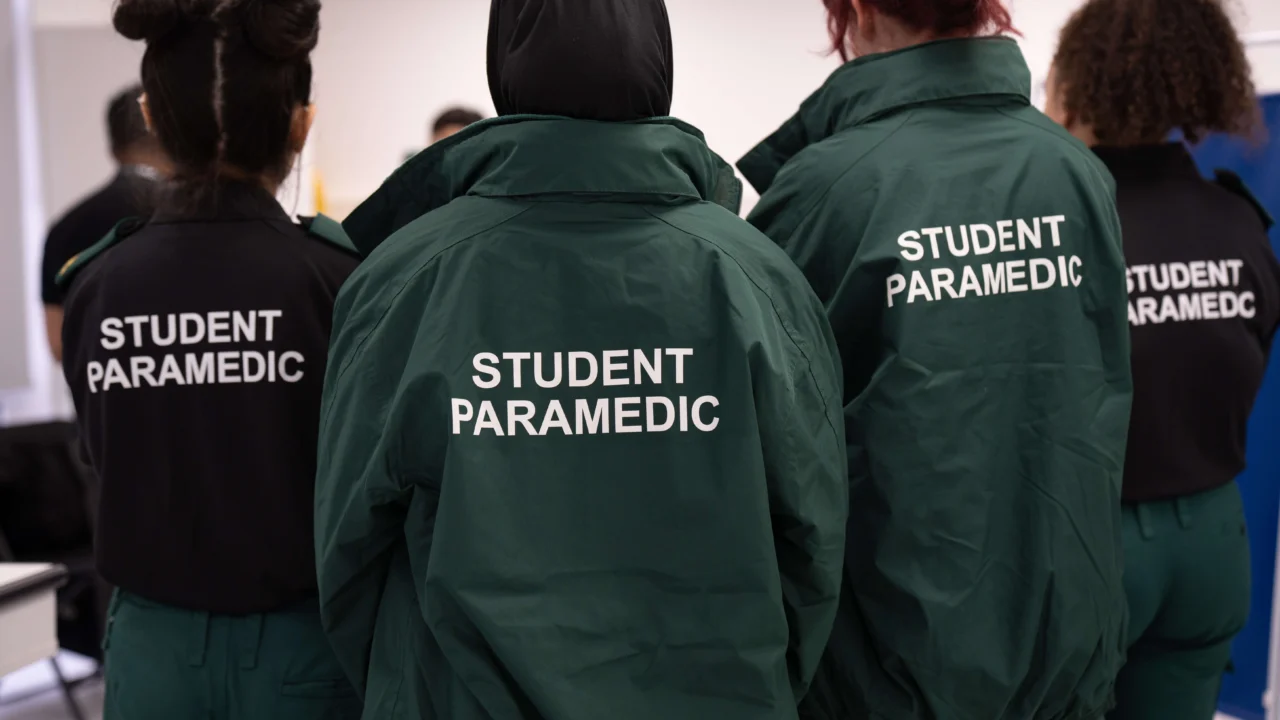
Understanding the journey of the paramedic uniform offers valuable insights into how emergency services prioritize both practicality and representation. Historically, emergency medical personnel donned simple, often makeshift clothing that prioritized functional needs over uniformity or formality. As emergency care became more structured, the need for standardized uniforms grew, reflecting a move towards professionalism and public trust.
The early days of paramedic uniforms were largely influenced by military and industrial workwear, emphasizing durability and ease of movement. As EMS systems expanded, the focus shifted toward creating a recognizable brand that fosters patient confidence and distinguishes paramedics from other first responders. The uniform’s evolution mirrors broader societal shifts emphasizing professionalism, safety, and cohesion within emergency services.
In recent decades, advances in textile technology, safety standards, and branding strategies have transformed the paramedic uniform into a sophisticated symbol. Modern designs incorporate high-visibility elements, antimicrobial fabrics, and ergonomic features to ensure EMS personnel are both safe and effective in their roles. The journey from basic workwear to a universal symbol of emergency care illustrates the importance of uniforms in establishing authority and trust.
Functional Design and Safety Features of Modern Paramedic Uniforms

The contemporary paramedic uniform must balance multiple demands: protection, visibility, comfort, and practicality. EMS personnel often operate in unpredictable environments that require adaptive clothing solutions. The design process involves careful consideration of safety standards, durability, and ease of use, ensuring paramedics are equipped to handle diverse emergency scenarios. Browse the full lineup in our shop.
High-visibility elements such as reflective strips and fluorescent colors are now standard components of paramedic uniforms. These features are critical for ensuring responders are noticed in low-light conditions or chaotic scenes, reducing the risk of accidents. The integration of safety elements reflects an understanding that the uniform must not only identify personnel but also keep them safe in complex environments.
Material choice is crucial in creating a paramedic uniform that withstands the rigors of emergency work. Modern fabrics are often antimicrobial, stain-resistant, and breathable to promote hygiene and comfort during long shifts. Many uniforms now incorporate moisture-wicking properties to keep responders dry in physically demanding situations. Ergonomic design features, such as stretch panels or reinforced knees, enhance mobility and reduce fatigue, enabling paramedics to perform their duties efficiently.
The safety and functionality of the uniform directly influence the effectiveness of emergency response, reinforcing the idea that the uniform is an extension of the emergency care team’s professionalism.
The Role of Branding and Identification in Paramedic Uniforms

A vital aspect of the paramedic uniform is its role in clear identification and branding. When seconds matter in emergencies, being instantly recognizable is essential for effective coordination and reassurance. The uniform’s design often incorporates insignia, patches, and color schemes that signify rank, department, or specialization.
Branding through uniforms serves a dual purpose: it fosters team unity within EMS agencies and reinforces public trust. Recognizable uniforms help patients and bystanders identify responders quickly, reducing confusion during chaotic scenarios. In many regions, distinct color schemes or logo placements identify paramedics across various agencies, facilitating seamless cooperation during large-scale incidents. If you want more on this, our The Story Behind Finding the Perfect EMS Uniform Shirts Supp guide goes deeper.
Additionally, the visual appearance of a paramedic uniform can impact public perceptions of professionalism. Well-maintained, standardized uniforms project confidence and authority, reassuring communities that trained, competent personnel are on the scene. Some EMS services also customize uniforms with educational or community engagement elements to foster a closer connection with the public they serve.
In recent years, the focus on branding and identification has led to more innovative uniform designs that combine functionality with a strong visual identity. Custom patches, reflective logos, and color-coded accessories help distinguish teams, aid communication, and promote cohesion—all while maintaining a polished, professional appearance.
The Impact of Uniforms on Paramedic Morale and Patient Interaction
The paramedic uniform does more than provide safety and identification; it plays a critical role in boosting staff morale and shaping patient interactions. Wearing a professional, well-designed uniform instills a sense of pride and belonging among EMS personnel. It serves as a visual reminder of their essential role in community health and emergency response.
Uniforms can influence how patients perceive responders, shaping their comfort levels and trust. A clean, professional appearance reassures patients that they are being cared for by capable, trained professionals. Such perceptions can have a substantial effect on patient cooperation during emergency care, helping to facilitate smoother treatment processes.
From a psychological perspective, uniforms foster a mindset of discipline, responsibility, and readiness. EMS personnel often spend long hours in demanding environments, and their attire can reinforce their identity as dedicated healthcare providers. This collective identity can enhance teamwork, accountability, and resilience among responders, which are critical traits in high-pressure situations.
Moreover, uniforms are vital tools for promoting safety protocols, hygiene standards, and professional conduct. They serve as a visual cue that emphasizes the importance of maintaining standards, which is essential for patient safety and effective emergency response. As such, the paramedic uniform is an embodiment of the values and professionalism that underpin emergency medical services worldwide.
Conclusion
The evolution of the paramedic uniform underscores its multifaceted significance in emergency medical services. From humble beginnings rooted in utility to modern designs featuring advanced fabrics and safety features, uniforms have become emblematic of professionalism, safety, and community trust. They facilitate quick identification, promote team cohesion, and influence patient perceptions—factors that are crucial in high-stakes environments. The ongoing innovations in uniform design reflect EMS’s commitment to safety, effectiveness, and public confidence, making the paramedic uniform not just a necessity but a powerful symbol of dedication to saving lives.