
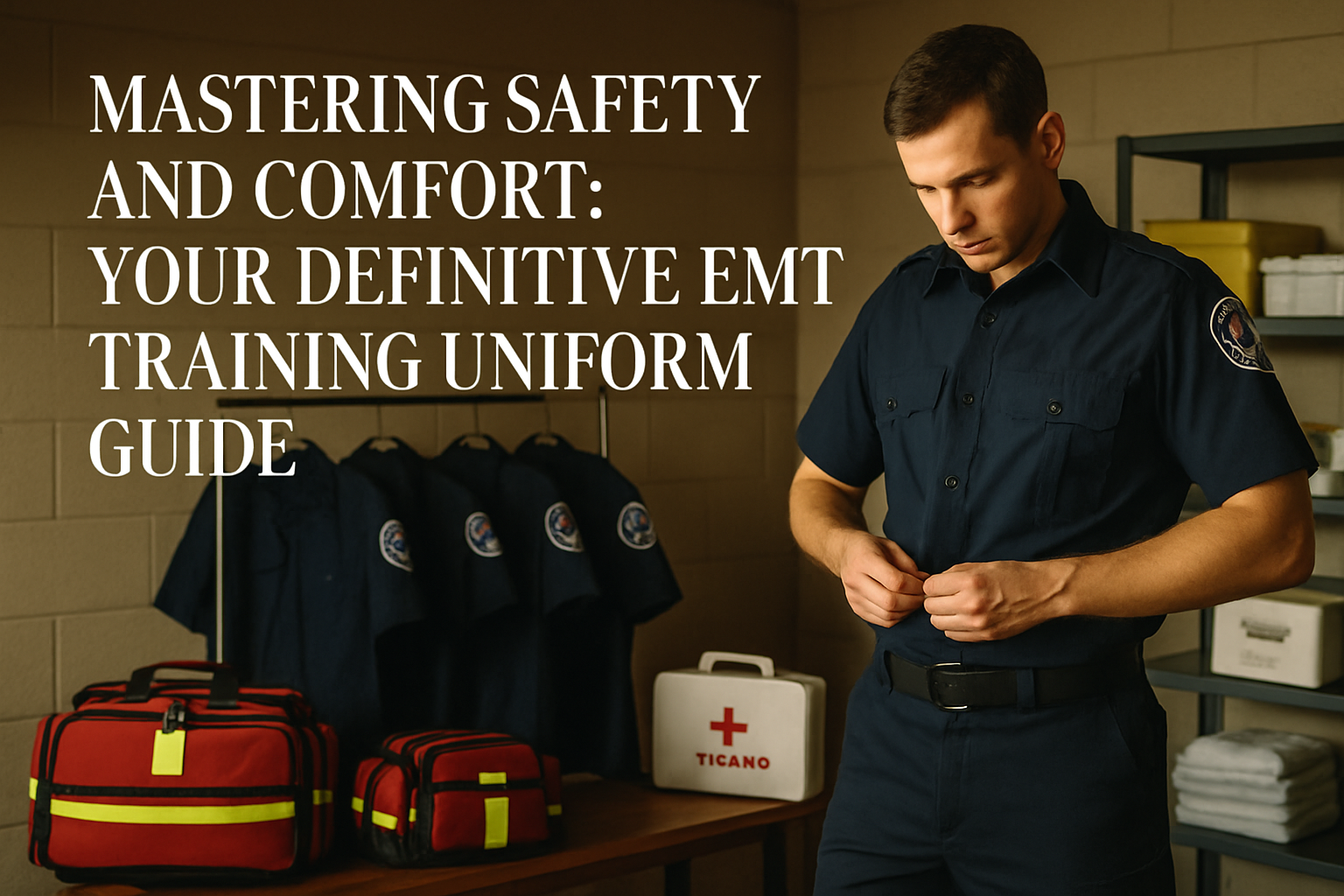
For aspiring EMTs, choosing between traditional scrubs and a specialized training uniform can be confusing. While scrubs are comfortable, most find that a dedicated EMT training uniform better meets their unique needs. The right combination of durability, functionality, and compliance with industry standards makes these uniforms the go-to choice for professionals in 2026.
Quick note from our team: One of our regulars, a Captain out of a Chicago 911 rig, told us his crew burned through two sets of tees last summer before switching to Gildan Softstyle 64000 ($14). Roughly 1 in 4 gift orders ship the same day (data pulled Sunday, June 21).
Why EMT Training Uniforms Outshine Scrubs
The debate between wearing scrubs and proper EMT training uniforms has been ongoing for years, but the scales tip heavily in favor of dedicated uniforms, especially now in 2026. EMT training uniforms are designed with the specific demands of emergency medical response in mind, offering a level of performance and protection that scrubs simply can’t match. The fabrics used in EMT uniforms, typically ranging from 6.5 oz to 7.5 oz in weight, are more durable and resilient, often incorporating ripstop technology to prevent tears. This kind of robustness is crucial when navigating challenging environments, from urban roadways to rural backwoods.
Moreover, these uniforms are constructed to meet safety standards, such as the NFPA 1975 guidelines for station and work uniforms. These standards ensure that the materials used are flame-resistant, adding an extra layer of protection against potential fire hazards. In contrast, scrubs often lack this level of safety feature. For new EMTs undergoing training, being equipped with a uniform that reflects the realities of their future career can be an educational advantage.
Essential Components of an EMT Training Uniform
An effective EMT training uniform is more than just a durable fabric. It consists of several key elements that each play a role in facilitating the EMT’s duties. A standard uniform includes a tactical EMS shirt, cargo pants, and a sturdy pair of boots. The shirts, crafted from breathable, moisture-wicking materials, help maintain comfort during physically demanding tasks. Many shirts also incorporate reflective strips to comply with ANSI Class 1 standards, enhancing visibility during nighttime operations.
For more in this silo, check out shirts built for the back of the rig.
EMS cargo pants are another crucial component, made from heavy-duty fabric that supports high activity levels while offering multiple pockets for carrying essential equipment. This feature is indispensable in emergency situations where quick access to tools can make all the difference. Finally, footwear designed with non-slip soles and reinforced toes provides the necessary stability and protection against environmental hazards.
| Product | Best For | Price | Why It Wins |
|---|---|---|---|
| Tactical EMS Shirt | High Visibility | $55 | ANSI Class 1 compliance |
| EMS Cargo Pants | Equipment Accessibility | $65 | Multiple pockets, heavy-duty fabric |
| Reinforced EMS Boots | Foot Protection | $75 | Non-slip soles, reinforced toes |
Maintaining Your EMT Training Uniform
To ensure longevity and maintain the protective qualities of your EMT training uniform, proper care is essential. Always follow the manufacturer’s care instructions, typically involving washing in cold water and air drying. This practice prevents fabric shrinkage and color fading, extending the life of your garments.
For fabrics treated with flame-resistant coatings, such as those following NFPA 1975 compliance, avoid using bleach and fabric softeners, as these can degrade the material’s protective properties. Ensuring zippers and Velcro closures are fastened before washing can also prevent unnecessary wear and tear.
For more detailed information, you can refer to the guidelines provided by NFPA.org, which outlines the care for flame-resistant clothing.
For more in this silo, check out EMS & EMT gear.
People Also Ask: Key Questions on EMT Training Uniforms
What makes an EMT training uniform different from regular scrubs?
EMT training uniforms are designed with durability and safety in mind, incorporating features like ripstop fabrics, flame-resistance, and multiple pockets for carrying tools. Scrubs, on the other hand, are typically made from lighter materials and lack these specialized features.
Why is flame resistance important in EMT uniforms?
Flame resistance is crucial for EMT uniforms as it provides protection against fire hazards, which are common in emergency situations. Compliance with NFPA 1975 ensures that uniforms offer this essential safety feature.
Are there specific standards that EMT uniforms must meet?
Yes, EMT uniforms should meet NFPA 1975 guidelines for station and work uniforms and often comply with ANSI visibility standards. These standards ensure the uniforms provide adequate protection and visibility.
How do I care for my EMS training uniform?
Follow care instructions closely: wash in cold water, air dry, and avoid bleach. These practices help maintain the fabric’s protective properties and ensure longevity.
For more in this silo, check out our EMS lineup.
Where to Find the Best EMT Training Uniforms
As you prepare for your EMT career, selecting the right training uniform is a critical step. Understanding the components and care required will enhance both safety and effectiveness during training and in the field. For those looking to upgrade their gear, Rinbay.com offers a range of high-quality, compliant EMT training uniforms tailored to meet current industry standards.