
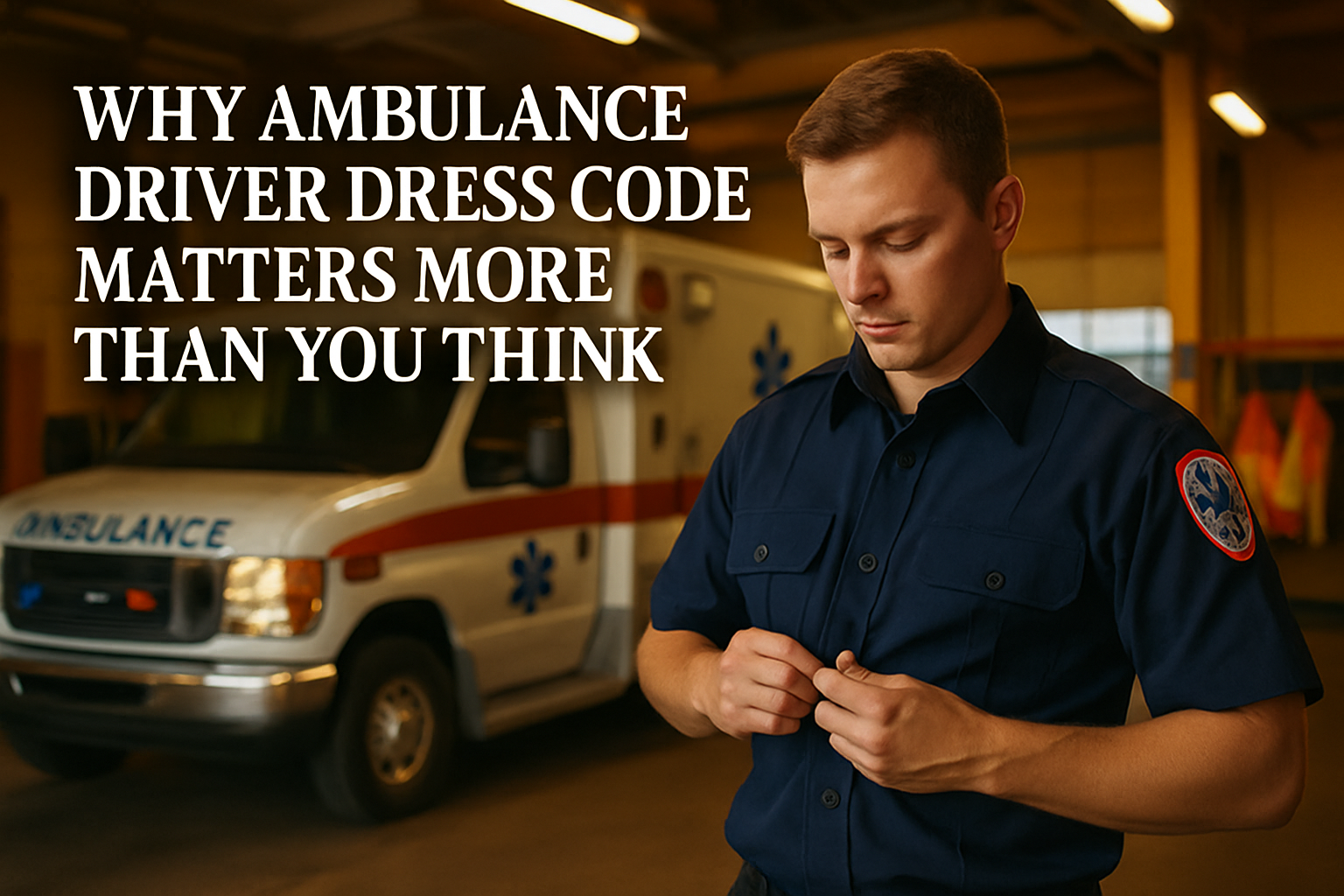
For the ambulance driver dress code versus your typical office attire, guess which one could actually save a life? Spoiler: it’s not the tie and blazer. Most folks in the EMS field agree that a proper dress code isn’t just about looking sharp—it’s about safety, comfort, and professionalism. Let’s explore why a disciplined dress code for ambulance drivers is a non-negotiable aspect of their daily lives.
Quick note from our team: A medic at Mount Sinai ICU DM’d us in March asking if we do XXL tall — now about 1 in 6 orders from that region is a tall. About 68% of our repeat buyers pick the same fabric weight twice (data pulled Sunday, May 17).
Understand the Basics of the Ambulance Driver Dress Code
You might think the ambulance driver dress code is just about wearing scrubs or a uniform. Think again. This dress code is a life-saving protocol, ensuring high visibility in emergencies, protection from bodily fluids, and comfort during long shifts. We’re talking fire-retardant materials, reflective strips, and moisture-wicking fabrics. When you clock in for a shift, it’s not just about appearing ready; it’s about being ready.
EMS drivers often opt for a blend of utility and comfort. A typical ensemble includes a durable uniform shirt with department insignia, tactical pants with plenty of pockets. Steel-toed boots. Accessories? Not unless you count a robust utility belt for all the essentials.
Why High-Visibility Elements are Crucial
Your average T-shirt isn’t going to cut it in high-stakes situations. Ambulance drivers need to be seen from afar, especially in low-light or chaotic environments. That’s why high-visibility vests and jackets with reflective strips are a mandatory part of the ambulance driver dress code. These aren’t just fluorescents for fun—they’re proven tools for preventing roadside accidents.
Various studies, including those from the FirstNet Agency, confirm that drivers with high-visibility gear are far less likely to be struck by passing vehicles. It’s a vital part of keeping both the EMS workers and patients safe.
For more in this silo, check out EMT-ready uniforms and tees.
| Product | Best For | Price | Why It Wins |
|---|---|---|---|
| Reflective Vest | Night Shifts | $20 | Easy visibility on dark roads |
| Tactical Pants | Everyday duty | $45 | Durable and functional |
| Steel-Toed Boots | Accident sites | $60 | Safety and support |
Stay Comfortable with Moisture-Wicking Fabrics
Long shifts mean long hours of wear. The ambulance driver dress code often includes uniforms made from moisture-wicking fabrics. Trust us, you don’t want to deal with sweat-soaked clothes when trying to focus on an emergency. These materials pull perspiration away from the body, helping regulate body temperature and keeping you cool under pressure.
It’s not just about comfort. Moisture-wicking fabrics help reduce the risk of skin irritations and infections, which is crucial when you’re dealing with patients in various states of health. No one wants a rash while tending to a crisis.
Learn from Other Emergency Services
The dress code for ambulance drivers isn’t created in a vacuum. It borrows elements from other emergency services where appropriate. Firefighter turnout gear, police tactical wear, and EMT uniforms all provide valuable insights. For instance, the National Fire Protection Association (NFPA.org) guidelines influence some of the fire-resistant materials used in EMS apparel.
By adopting best practices from these fields, ambulance drivers ensure they’re prepared for plenty of situations—from fires to accidents—while still meeting the unique demands of their role.
Discover Why Fit and Function Matter
Baggy pants and oversized shirts might be comfortable at home, but they’re a no-go on the job. The ambulance driver dress code prioritizes garments that fit well and function efficiently. It’s the little details that make a big impact: adjustable waistbands, reinforced seams, and tailored fits that avoid excess fabric that could snag or catch.
For more in this silo, check out paramedic apparel collection.
Good fit extends beyond safety—it also supports professional appearance. Imagine showing up at the scene of an accident in a sloppy get-up. Would you feel confident in your ability to take charge? Probably not. Fit equals function and authority.
People Also Ask
What is typically included in an ambulance driver’s dress code?
An ambulance driver’s dress code usually includes a uniform shirt with department insignia, tactical pants, steel-toed boots, high-visibility vest. Possibly a jacket for inclement weather. The emphasis is on safety, visibility, and practicality.
Why is high-visibility clothing important for ambulance drivers?
High-visibility clothing is essential for ensuring that ambulance drivers are easily seen by other drivers, especially in low-light conditions or busy environments. It helps prevent accidents and promotes safety at the scene.
Can ambulance drivers choose their own uniforms?
Typically, no. Ambulance drivers are usually required to adhere to a strict dress code set by their employer, which includes specific uniforms designed for safety, function, and professionalism.
Are moisture-wicking fabrics beneficial for ambulance uniforms?
Yes, moisture-wicking fabrics allow for better temperature regulation and comfort during long shifts. They help keep the uniform lightweight and reduce the risk of skin irritations.
Choose the Right Gear for Every Situation
For ambulance drivers, adhering to the dress code is about more than just following orders. It’s about making sure you’re ready for anything while on duty. The right gear provides protection, enhances performance, and conveys professionalism.
For more in this silo, check out shirts built for the back of the rig.
If you’re ready to suit up with apparel that meets the highest standards for EMS workers, check out our options at Rinbay.com. Select from uniforms crafted to keep you at the top of your game, turning the ordinary into extraordinary.