

In the high-stakes environment of emergency medical services, every detail matters—from the skills of the first responders to their uniforms. The ambulance driver uniform and the ambulance technician uniform serve not only practical purposes but also symbolize professionalism, safety, and organizational identity. In this comprehensive exploration, we’ll delve into the essentials of EMS uniforms, highlighting how they influence performance, safety, and perception during critical moments.
Overview of Ambulance Service Uniforms
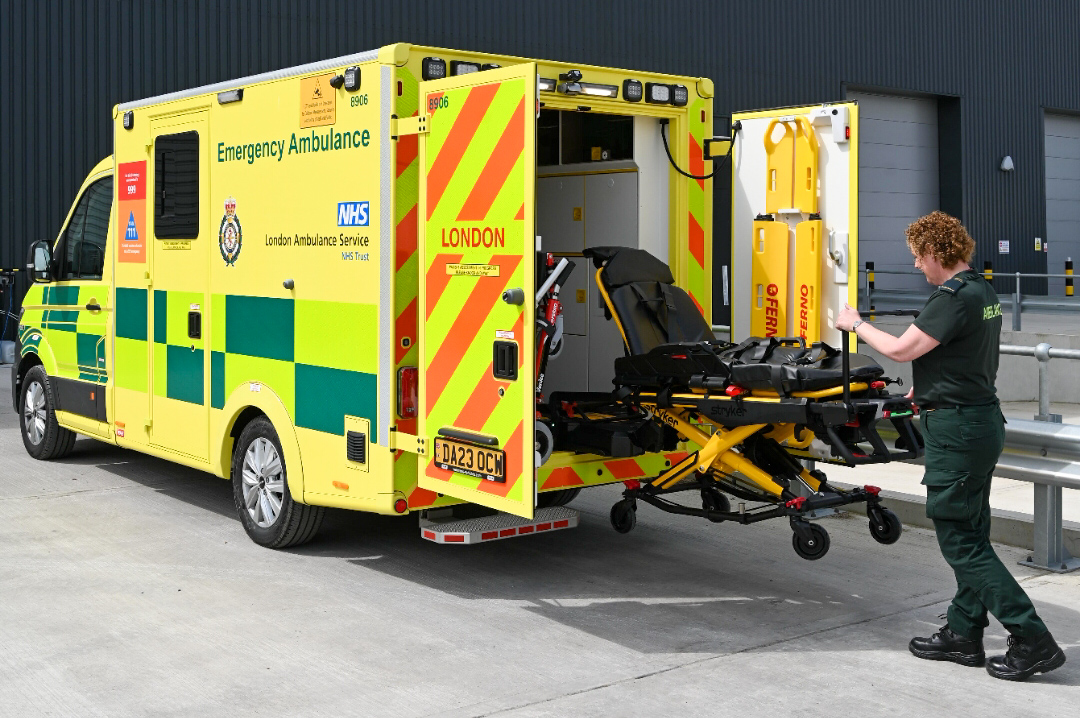
Emergency Medical Services (EMS) uniforms are vital in establishing authority, facilitating quick identification, ensuring safety, and promoting professionalism. As frontline personnel, ambulance drivers and technicians are often the first point of contact during emergencies, and their uniforms play a vital role in shaping public trust and operational efficiency.
The design and components of these uniforms reflect a blend of functionality, safety standards, and organizational branding. They are meticulously crafted to meet diverse challenges including high-speed responses, unpredictable weather conditions, and the need for swift medical intervention—all while maintaining a professional appearance that reassures patients and bystanders alike.
Importance of Professional Appearance in Emergency Medical Services
In emergency scenarios, first impressions are critical. An ambulance driver or technician dressed in a clean, well-fitted ambulance driver uniform projects authority and confidence, easing patient anxiety during stressful situations. Proper attire also signals competence to colleagues, promoting seamless teamwork and communication.
Furthermore, a professional appearance reinforces organizational credibility, especially when EMS providers operate in diverse environments—from urban streets to remote rural areas. Uniforms act as a visual cue that responders are trained, ready, and authorized to deliver urgent assistance, which is essential for restoring calm and ensuring safety during crises.
Distinction Between Ambulance Driver and Technician Uniforms
Though often related, ambulance driver uniform and ambulance technician uniform differ in purpose and design elements. The driver’s uniform emphasizes comfort, safety, and visibility to ensure swift mobility and quick response. It often features durable clothing tailored for movement and high-traffic conditions.
In contrast, the technician’s uniform incorporates specialized medical attributes. It includes additional pockets, equipment attachments, and medical-grade PPE, reflecting their role in patient care. Distinguishing these uniforms helps in quick identification on the scene, girding coordination and clarity among team members.
Key Elements Common to All EMS Uniforms
Regardless of their specific functions, all EMS uniforms share core features that promote safety and practicality. Bright colors, reflective elements, and sturdy materials are standard, ensuring visibility and durability. Identification badges, organizational patches, and name tags help establish authority and facilitate communication.
Comfort and flexibility are prioritized, especially considering the physical demands of emergency response. Maintaining hygiene and ease of cleaning is critical, given the exposure to various contaminants. Hygiene standards also extend to the proper care and maintenance of the uniforms to uphold professionalism.
Components of an Ambulance Driver Uniform
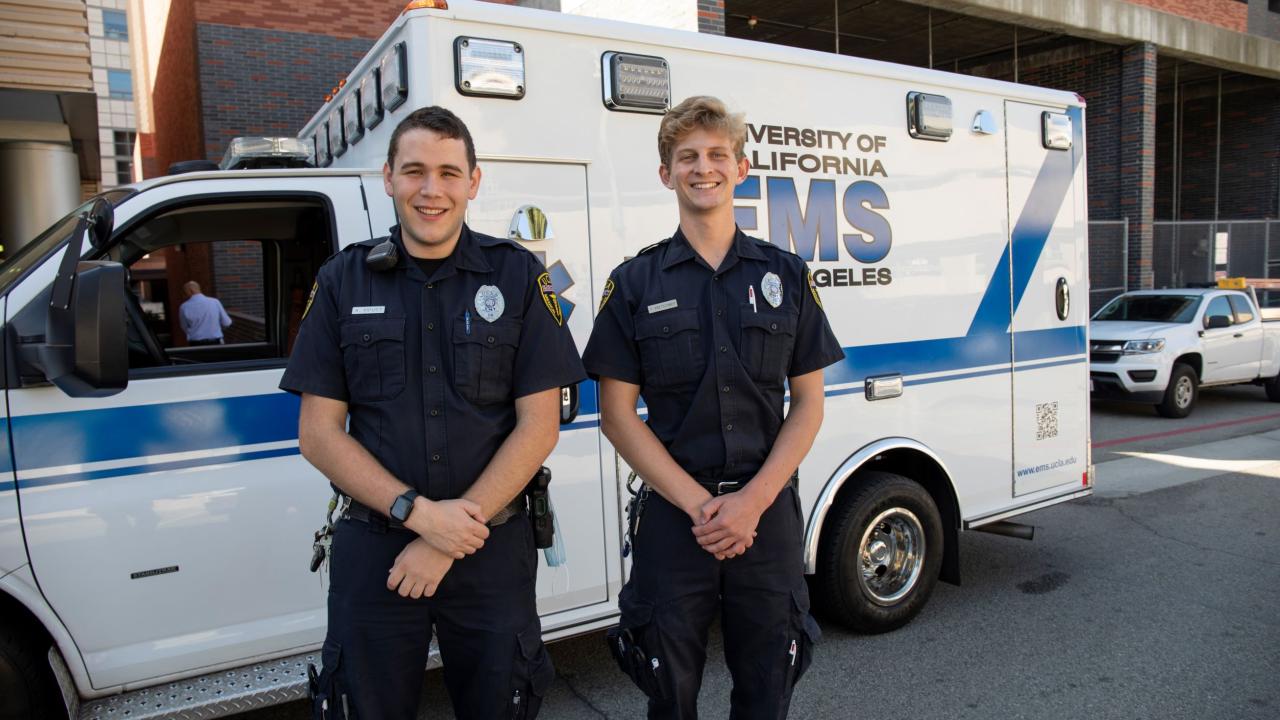
The ambulance driver uniform is uniquely designed to balance mobility, safety, and practicality. It enables drivers to navigate rapidly through traffic while staying protected and visible. The uniform’s components are thoughtfully engineered for performance, durability, and clarity of identity.
Standard Clothing Items: Shirts, Trousers, and Outerwear
Typically, ambulance drivers wear comfortable, breathable shirts in organizational colors, often made of wrinkle-resistant fabrics. These shirts may feature reflective strips for enhanced visibility at night or in low light. Trousers are durable, reinforced with tough fabrics that withstand wear and tear from frequent movement and outdoor exposure.
Outerwear, such as jackets or vests, provides additional protection against weather elements and hazards. These are often equipped with multiple pockets for easy access to essential tools while maintaining a professional look.
Safety and Visibility Features: Reflective Strips and Bright Colors
High-visibility features are paramount for ambulance drivers who operate in unpredictable environments. Reflective strips on shoulders, sleeves, and pant legs catch headlights and streetlights, alerting other drivers to their presence.
Bright colors like fluorescent yellow, orange, or lime green are standard, selected for their conspicuousness during both day and night. These features ensure that drivers remain visible from a distance, reducing the risk of accidents during high-speed responses.
Identification and Branding: Badges, Patches, and Name Tags
Clear identification is vital in emergency services. The ambulance driver uniform displays organizational patches, badges, and name tags that denote their role and affiliation. These identifiers facilitate quick recognition by colleagues, patients, and the public.
branding elements also foster organizational unity and pride. Proper placement of patches and badges, usually on the chest or sleeves, ensures ease of visibility and adds to the uniform’s professional appearance.
Footwear Considerations for Safety and Comfort
Footwear plays a crucial role in safety and comfort. Ambulance drivers are equipped with sturdy, slip-resistant shoes that provide grip during rapid responses or maneuvering in unpredictable terrains. Comfort is equally important to sustain long shifts; hence, shoes often feature cushioned insoles, supportive arches, and quick-drying materials.
Choosing appropriate footwear reduces fatigue and the risk of slips, trips, or falls—common hazards faced during emergency responses, especially on varied surfaces.
Accessories: Hats, Gloves, and Other Essential Items
Prototype accessories complement the uniform’s functionality. Caps or hats bearing organizational insignia shield responders from sun and rain. Gloves are essential for protecting against contaminants and maintaining hygiene during patient interventions, even for drivers involved in basic first aid.
Other necessary items include whistle or light sticks for signaling, and sometimes radios stored in accessible pockets. The collection of accessories enhances operational readiness and safety during high-pressure scenarios.
Components of an Ambulance Technician Uniform
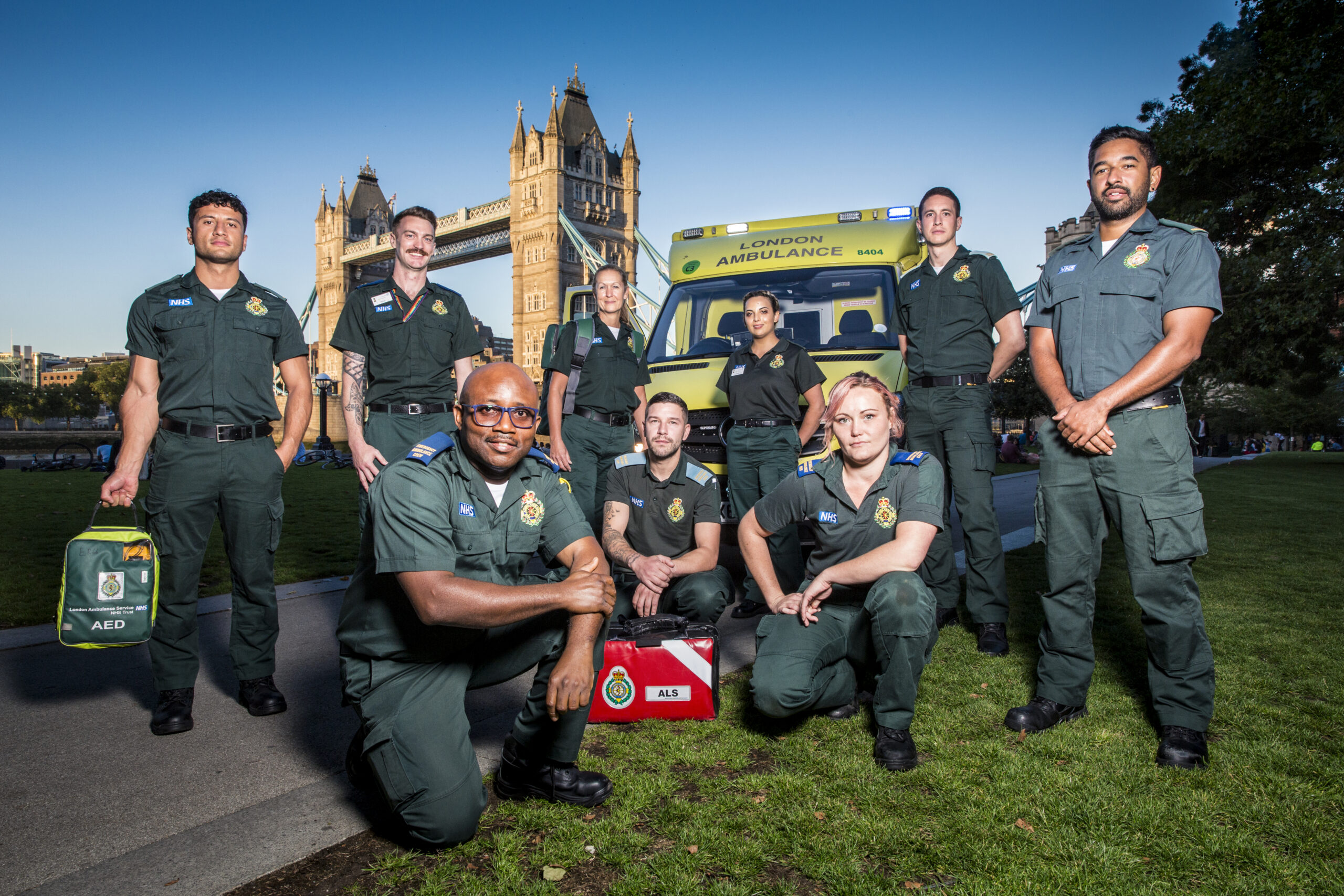
The ambulance technician’s attire is more specialized, designed to accommodate medical interventions, patient handling, and ensuring safety during complex procedures. This uniform must seamlessly blend clinical functionality with organizational standards.
Specialized Clothing for Medical Response and Patient Care
Ambulance technicians wear uniforms constructed from medical-grade fabrics that can withstand frequent washing and contamination. These might include scrubs, tactical pants, or reinforced shirts that provide flexibility and breathability.
The design often integrates numerous pockets for easy access to medical supplies such as bandages, medications, and tools. Some uniforms feature antimicrobial properties to reduce the spread of germs, emphasizing hygiene in pre-hospital care.
Use of Personal Protective Equipment (PPE)
PPE forms a core component of the ambulance technician uniform. Masks, gloves, eye protection, and gowns are worn during patient assessments and procedures to minimize infection risks. The uniform itself is designed to accommodate PPE easily, with features that allow quick donning and removal.
Innovations such as high-visibility PPE also enhance safety during night or low-light conditions. Moreover, PPE must adhere to regulatory standards and organizational policies to ensure optimal protection for both responders and patients.
Identification and Authority Indicators
Just as with drivers, ambulance technicians display clear identification markers. These may include name badges, organizational patches, and role-specific insignia. These markers help in establishing authority, easing patient interactions, and ensuring coordination within the emergency team.
Modern uniforms may also incorporate color-coding or unique patches to distinguish technicians from other roles such as paramedics or supervisors, which streamlines operations during multi-agency responses.
Equipment Carriage: Pockets, Belt Attachments, and Storage
An ambulance technician’s uniform typically features an array of pockets designed to carry vital equipment—medical scissors, syringes, adhesive tapes, and portable monitors. Belt attachments might hold larger items like flashlights or portable defibrillators, ensuring rapid access.
Designers focus on ergonomic placement to prevent clutter and facilitate quick retrieval during critical moments. The storage systems within these uniforms are designed not just for convenience but also to prevent damage or contamination of sensitive equipment. Browse the full lineup in our shop.
Uniform Maintenance and Hygiene Standards
Maintaining a high standard of cleanliness is essential for ambulance technicians. Uniform hygiene directly correlates with infection control protocols and professional standards. Regular laundering, appropriate storage, and prompt replacement of worn or contaminated clothing preserve both safety and appearance.
Organizations often provide guidelines for uniform upkeep, including specific detergents and sterilization procedures, aligning with health regulations and ensuring the technician’s attire remains in top condition.
Regulatory and Organizational Standards
 Critical Role of Ambulance Driver Uniforms – Ensuring Safety, Identity, and Professionalism in Emergency Medical Services” title=””>
EMS uniforms are governed by strict regulatory guidelines that ensure safety, consistency, and efficacy across services. These standards are developed at national and international levels, aiming for a unified approach toward EMS attire.
National and International Guidelines for EMS Uniforms
Various countries and organizations have set standards regarding the materials, safety features, and identification elements of EMS uniforms. For example, the American National Standards Institute (ANSI) specifies reflectivity requirements, while ISO standards focus on durability and safety.
These guidelines promote uniformity, making it easier for responders to recognize each other and adhere to safety protocols regardless of geographical locations.
Customization Based on Local or Organizational Policies
While standards offer a framework, local policies often tailor the uniforms to specific operational needs or branding requirements. This customization might involve colors aligned with regional identity, organizational logos, or specific insignia reflecting specialized units.
Such adaptations enhance organizational cohesion and operational clarity while respecting regional and cultural contexts.
Compliance with Safety and Health Regulations
All EMS uniforms must comply with occupational safety and health regulations, ensuring that materials are flame-resistant where necessary, non-toxic, and hypoallergenic. Uniforms should also be designed to prevent entanglement or injury, especially when carrying equipment.
Regular audits and updates to uniform standards help organizations maintain compliance, safeguarding responders’ health and safety during their demanding roles.
Innovations and Trends in EMS Uniforms
As the landscape of emergency services evolves, so do the uniforms. Recent innovations aim to improve durability, safety, comfort, and environmental sustainability—reflecting a forward-thinking approach to EMS attire.
Use of Advanced Materials for Durability and Comfort
New fabric technologies include moisture-wicking, anti-odor, and stretch materials that enhance comfort during long shifts. Reinforced fibers improve tear resistance, ensuring uniforms withstand harsh conditions.
Innovative textiles also allow for temperature regulation, helping responders stay cool in hot environments or insulated during cold weather, thus maintaining peak performance.
Incorporation of High-Visibility Technologies
Emerging uniforms integrate high-visibility designs with embedded LED or fiber-optic lighting to augment traditional reflective strips. Some use patterns that change or glow, ensuring responders are seen even in complete darkness or adverse weather.
These technologies significantly expand the safety envelope for EMS personnel, especially in congested or hazardous scenes.
Ergonomic Design Considerations
Modern uniforms are designed with ergonomics at their core, focusing on movement facilitation, load distribution, and reducing fatigue. Features include articulated joints, stretch zones, and breathable vents that adapt to various body movements.
These considerations make uniforms more than just clothing—they’re tools that enable responders to perform at their best under pressure.
Eco-Friendly and Sustainable Uniform Options
With increasing awareness of environmental impact, manufacturers are producing uniforms from recycled, organic, or biodegradable materials. Sustainability extends to production processes that minimize water and energy consumption.
Embracing eco-friendly options demonstrates an organization’s commitment to environmental stewardship while providing functional, durable uniforms.
Conclusion
The ambulance driver uniform and ambulance technician uniform are vital elements of emergency medical response, embodying safety, professionalism, and organizational identity. From basic clothing items to high-tech material innovations, these uniforms are designed to optimize performance, ensure safety, and convey authority. As standards evolve and new technologies emerge, EMS uniforms continue to adapt, underscoring their crucial role in delivering effective pre-hospital care. Properly designed attire not only enhances the safety and efficiency of responders but also reassures the public during their most vulnerable moments, ultimately saving lives through appearance, functionality, and innovation.