

When it comes to emergency medical services, every second counts. The attire worn by EMTs isn’t just about looking professional; it plays a vital role in safety, efficiency, and patient trust. From durable EMT uniforms to specialized EMT pants and EMT clothes uniforms, the right gear can be the difference between a successful rescue and an impaired response. This blog explores the comprehensive importance of proper EMT uniforms, the key components, selection considerations, maintenance, latest trends, and future innovations to help emergency responders and medical services prioritize functionality and professionalism in their gear.
Understanding the Importance of Proper EMT Uniforms
 Emergency Response The Critical Role of Well-Designed EMT Uniforms” title=””>
In emergency medical scenarios, the structure, design, and quality of EMT uniforms directly impact performance and perception. These uniforms are more than just clothing—they symbolize authority, foster trust, and ensure safety in unpredictable environments. Proper uniforms serve a protective function while also promoting a cohesive team appearance, which can influence how patients receive care.
The significance of uniform EMT attire cannot be underestimated, especially within the dynamic, high-pressure environment of emergency response. Well-designed attire contributes to a sense of professionalism, ensures safety standards are met, and helps responders navigate tough conditions seamlessly.
The Role of Uniforms in Emergency Medical Services
Uniforms in EMS are pivotal for establishing identity in often chaotic settings. They allow team members and other responders to identify EMTs quickly, facilitating smoother coordination. Moreover, the design of EMT clothes uniforms influences mobility, comfort, and readiness to respond rapidly. When uniforms incorporate tactical features such as reinforced knees or moisture-wicking fabrics, they empower EMTs to operate efficiently without worrying about their attire failing under stress.
Beyond identification, these uniforms serve as an essential barrier, protecting EMTs from bloodborne pathogens, bodily fluids, and environmental hazards. Properly designed EMT uniforms, including EMT pants and jackets, are often made from flame-resistant, antimicrobial, and weather-resistant materials—functionality that directly impacts safety and performance.
Safety and Functionality Considerations for EMT Attire
The unique demands of emergency situations necessitate specialized EMT uniforms that are both practical and safe. Features like reflective strips, high-visibility colors, and weather-resistant fabrics ensure visibility and protection during night-time rescue or in adverse weather conditions. The durability of EMT clothes uniforms is crucial, as EMTs frequently encounter rough terrain, sharp objects, and exposure to contaminants.
Functionality involves more than durability—it encompasses ease of movement, quick access to medical tools, and comfort during long shifts. Uniform EMT should have ample pockets, reinforced stitching, and ergonomic design to allow swift and efficient medical responses. Integrating these aspects into EMT pants and shirts ensures responders are always prepared for the physical demands of their vital work.
Regulatory Standards and Compliance for EMT Clothing
In most regions, EMT uniforms must adhere to strict standards set by health and safety organizations. Compliance with OSHA guidelines, ANSI standards for visibility, and local healthcare regulations is essential to ensure uniforms meet safety criteria and legal requirements. Manufacturers of uniform EMT gear must prioritize quality assurance, look for certifications, and stay updated with evolving safety standards. Browse the full lineup in our shop.
Choosing compliant EMT clothes uniforms fosters confidence in their safety and reliability. Compliance also ensures that EMTs are protected from legal liabilities, enabling agencies to uphold high standards of care while maintaining professionalism.
Key Components of EMT Uniforms
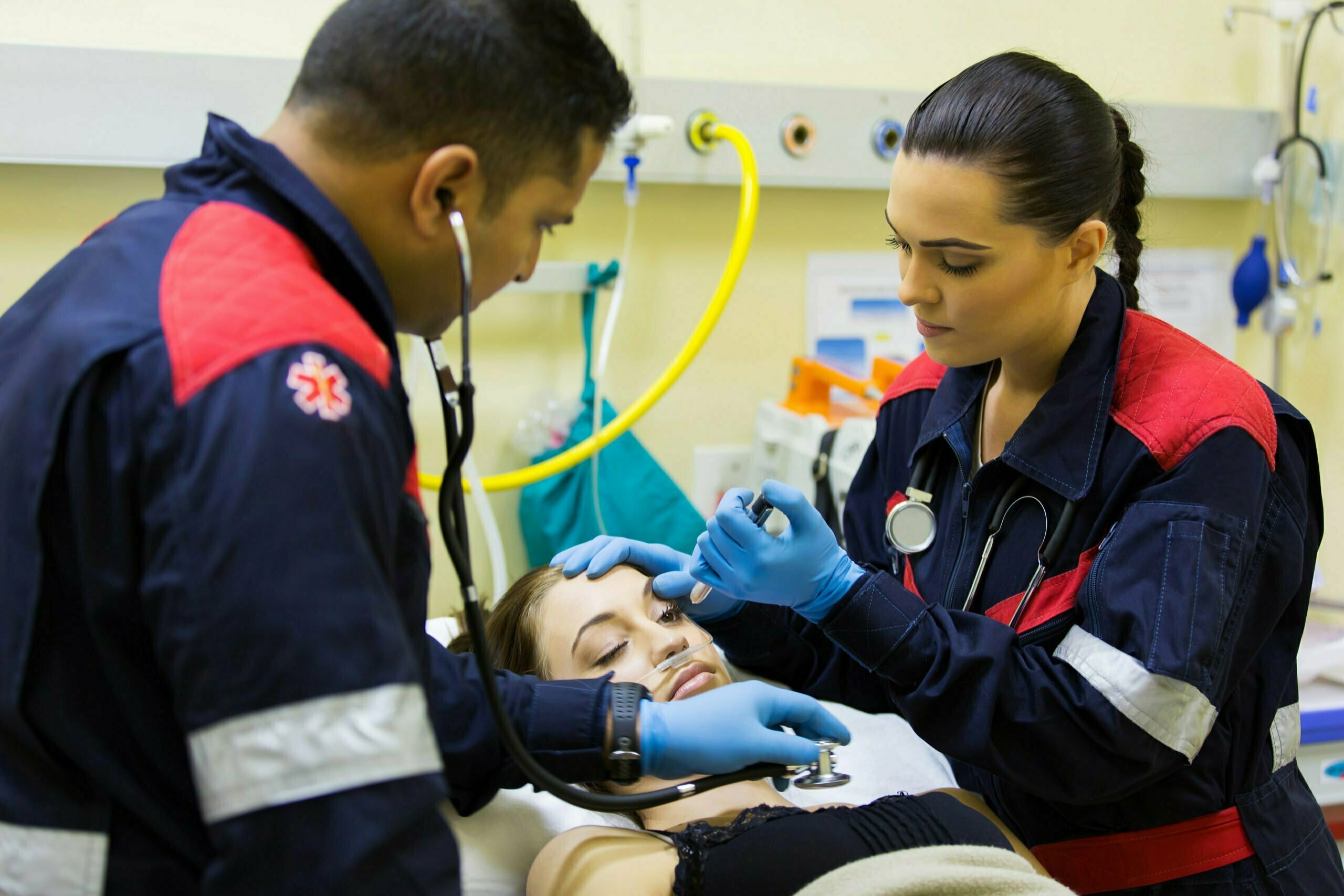 Critical Role of Well-Designed EMT Uniforms” title=””>
A well-crafted EMT uniform isn’t just about aesthetics; it involves a deliberate blend of functionality, durability, and practicality. Understanding the core components helps in selecting and maintaining the best gear for emergency responders, ultimately enhancing their ability to perform under pressure.
Each element of the EMT uniforms, from pants to accessories, is tailored to meet the demands of emergency scenarios. Proper design, fabric choice, and features contribute significantly to operational effectiveness.
EMT Pants: Design, Materials, and Features
EMT pants are the backbone of any uniform, providing durability, comfort, and practicality. They must withstand harsh conditions while allowing freedom of movement. Typically made from tough fabrics like nylon, polyester, or ripstop blends, these materials resist tears, abrasions, and stains—a critical feature in unpredictable environments.
Design considerations include reinforced knees, adjustable waistbands, and multiple pockets for tools and supplies. A good pair of EMT pants also offers moisture-wicking properties and ventilation to prevent overheating. Features like reflective strips further improve visibility during night operations, ensuring safety and quick identification.
EMT Shirts and Jackets: Comfort and Durability
EMT shirts and jackets serve as the first line of defense against environmental hazards while providing comfort during long shifts. Breathable fabrics like moisture-wicking polyester blends ensure EMTs stay dry and comfortable under stress. Jackets should incorporate insulated or weatherproof materials to shield responders from cold, rain, or wind.
Durability in these garments is achieved through reinforced stitching, abrasion-resistant fabrics, and thoughtful design for easy donning and doffing. The integration of identification badges and reflective markings enhances visibility, making it easier for patients and team members to identify responders quickly and reliably.
Identification and Visibility Elements in Uniforms
In emergency situations, clear identification is critical. Uniforms should include high-visibility markings, reflective strips, and badges that denote rank or role. Bright colors like orange, yellow, or lime green are often incorporated into EMT clothes uniforms to maximize visibility.
Designing effective identification elements involves strategic placement—on sleeves, chest, and back—to ensure that responders are visible from all angles during both day and night. Embedding the company logo and EMS ID also fosters professionalism and trust among patients and team members alike.
Footwear and Accessories for EMTs
Footwear is often overlooked but is essential for safety and comfort. EMTs require slip-resistant, supportive boots that protect against toxins, sharp objects, and fire hazards. Waterproof and breathable materials help in maintaining foot hygiene and comfort, even during prolonged shifts.
Accessories such as belts, gloves, masks, and protective eyewear are indispensable for overall safety and efficiency. Gloves must be made from high-grade, antimicrobial materials to prevent contamination, while masks and eye protection guard against droplets and debris. Thoughtfully selected accessories complement the uniform and enhance the responder’s overall readiness.
Specialty Items: Gloves, Masks, and Protective Gear
Specialty items like gloves, masks, and protective gear are integral components of emergency medical uniforms. Gloves should be disposable, durable, and provide a good grip, enabling EMTs to handle medical procedures efficiently while minimizing infection risk. If you want more on this, our 8 Unique Funny Firefighter Shirts That Will Ignite Your Humo guide goes deeper.
Masks and eye protection are vital during infectious outbreaks or when dealing with chemical hazards. These items require high filtration efficiency and comfort to ensure compliance during extended use. Incorporating these into standard EMT clothes uniforms promotes a safety-first culture, reflecting the commitment to responder health and patient safety.
Choosing the Right EMT Uniforms
Selecting the ideal EMT uniforms involves assessing multiple factors to ensure the gear aligns with specific operational needs. From climate considerations to budget constraints, making informed decisions guarantees the safety, comfort, and professionalism of responders.
By evaluating fabric types, design features, costs, and brand reputation, agencies can invest in gear that supports their mission while maintaining compliance and durability standards.
Factors to Consider: Climate, Work Environment, and Job Requirements
The environment in which EMTs operate significantly influences uniform choices. Hot climates require lightweight, breathable fabrics that wick moisture, while cold regions demand insulated and weather-resistant materials. Urban settings might favor high visibility and sleek designs, whereas rural or wilderness scenarios necessitate rugged, multi-pocketed gear.
Job requirements—such as high physical activity levels or exposure to hazards—must be factored into uniform specifications. For instance, EMT pants with reinforced knees are ideal for physically demanding jobs, while quick-drying materials benefit responders working in water-resistant environments.
Material Types and Their Benefits
Different materials offer various advantages. Polyester blends and nylon are popular for their durability, lightweight feel, and moisture-wicking properties. Ripstop fabrics provide resistance to tears and abrasions—ideal for rugged terrains. Flame-retardant and antimicrobial fabrics further add safety layers, especially for high-risk scenarios.
Understanding these benefits helps teams choose EMT clothes uniforms that meet operational demands while maintaining comfort. Additionally, fabric breathability and ease of cleaning influence long-term durability, making material choice a crucial consideration.
Size, Fit, and Customization Options
A proper fit improves mobility, reduces fatigue, and enhances safety. Uniforms should be available in a range of sizes with adjustable features like elastic waistbands, Velcro closures, or tailored cuts. Customization—such as embroidered patches, name tags, or company logos—bolsters team identity and professionalism.
Tailored uniform EMT helps prevent chafing, discomfort, and restrict movement, especially when carrying gear or performing physical tasks. Custom options also include color schemes and reflective markings aligned with organizational branding and safety standards.
Cost vs. Quality: Making an Informed Investment
While budget constraints influence purchasing decisions, skimping on quality can lead to higher costs in repairs, replacements, or safety incidents. Investing in high-quality EMT uniforms, including EMT pants and EMT clothes uniforms, ensures longevity, safety, and promotional value.
Balancing cost and functionality involves evaluating product durability, material quality, and the reputation of suppliers. Often, paying slightly more guarantees better resilience and safety features, making it a prudent long-term investment.
Brand Reputation and Supplier Reliability
Choosing reputable brands and reliable suppliers ensures consistent quality and compliance. Well-established manufacturers often adhere to stringent safety standards, provide warranties, and offer customization options. Reviews, industry references, and certifications serve as extra assurance of their credibility.
Building strong relationships with trusted suppliers streamlines procurement, facilitates swift replacements, and maintains uniformity across EMS teams. It also ensures access to innovative designs and up-to-date safety features in EMT uniforms.
Maintenance and Care of EMT Uniforms
Proper care of EMT clothes uniforms extends their lifespan, maintains hygiene standards, and ensures responders always look professional. Regular cleaning, appropriate storage, and timely repairs are essential practices that contribute to ongoing operational readiness.
Adhering to maintenance protocols also promotes safety and reduces the risk of contamination or uniform failure during critical moments.
Cleaning Protocols for Hygiene and Longevity
Uniforms should be washed after each shift or when soiled, following manufacturer instructions for detergents and temperature. Use of antimicrobial and stain-resistant cleaning agents can help maintain hygiene and prevent odors. Avoid over-bleaching, which can weaken fabrics or fade reflective markings.
For protective gear like gloves and masks, disposable options should be replaced frequently, and reusable items cleaned thoroughly to prevent cross-contamination. Consistent laundering keeps uniforms looking professional, promotes health safety, and extends their usability.
Storage Solutions to Preserve Uniform Integrity
Proper storage preserves the fabric’s integrity and prevents damage. Hang EMT uniforms on sturdy racks in a clean, dry environment. Folded storage in sealed containers can protect from dust, pests, and moisture when not in use for extended periods.
Consider storing protective equipment separately to prevent cross-contamination and ensure quick access during emergencies. Using designated storage areas also facilitates organizational efficiency and ensures that uniforms are always ready for use.
Tips for Repair and Replacement
Inspect uniforms regularly for tears, frayed seams, or fading reflective elements. Immediate repairs—such as patching tears or replacing worn-out accessories—prevent minor issues from escalating into uniforms that are unfit for duty.
Keep an inventory of spare parts and replacement gear tailored to the EMT clothes uniforms used by the team. Establishing a proactive replacement schedule helps maintain a professional appearance and ensures safety compliance.
Ensuring Continuous Readiness and Professional Appearance
Consistent uniform maintenance guarantees EMTs appear professional and are fully equipped for any emergency. This readiness boosts team morale and patient confidence, reinforcing the image of competence and care.
Routine checks, timely repairs, and thoughtful storage all contribute to continuous operation without disruptions. An organized approach to uniform management underscores a culture of safety, quality, and commitment within EMS organizations.
Trends and Innovations in EMT Uniforms
The realm of EMT uniforms is constantly evolving, driven by technological advancements and a focus on enhancing safety, comfort, and branding opportunities. Staying abreast of these trends enables organizations to provide their responders with cutting-edge gear that meets future demands.
Innovative materials, ergonomic designs, and eco-friendly options are shaping the next generation of emergency uniforms.
Advanced Fabrics and Technology Integration
Modern EMT clothes uniforms incorporate advanced fabrics that’re lightweight, moisture-wicking, antimicrobial, and reflective. Some gear integrates sensor-based technology, such as embedded RFID tags for quick inventory management or fabrics that change color for enhanced visibility.
The integration of these technological features addresses real-world challenges, improving responder safety and operational efficiency. Innovations like temperature-regulating textiles also help EMTs stay comfortable during extreme shifts, enhancing overall performance.
Ergonomic and Performance-Enhancing Designs
Design advancements focus on movement and comfort. Features like stretch panels, ergonomic seams, and articulated knees enable greater flexibility and reduce fatigue. Lightweight, breathable fabrics combined with moisture management help responders stay focused and comfortable.
Performance enhancement extends beyond comfort—uniforms now include tool attachment systems and modular components that adapt to different tasks, improving responder efficiency in high-pressure situations.
Customization and Branding Opportunities
Organizations increasingly seek opportunities to showcase their brands through customized EMT uniforms. Embroidered logos, color schemes, and reflective graphics help foster team unity and promote organizational pride. Customization also improves visibility and facilitates quick identification in the field.
Manufacturers now offer bespoke options for fit, color, and features, ensuring uniform EMT attire aligns with specific organizational identities and operational needs.
Eco-Friendly and Sustainable Uniform Options
Sustainability is gaining momentum within the EMS sector. Some manufacturers now offer uniforms made from recycled or organic materials that meet stringent safety standards. These eco-friendly options aim to reduce environmental impact without sacrificing durability or safety.
Choosing sustainable EMT clothes uniforms demonstrates corporate responsibility and appeals to environmentally conscious organizations. Additionally, recyclable fabrics and low-impact dyes contribute to greener operations, aligning with broader health and safety goals.
Conclusion
The significance of well-designed, functional, and compliant EMT uniforms cannot be overstated in delivering effective emergency medical care. From foundational components like EMT pants and EMT clothes uniforms to advanced innovative fabrics, each element plays a crucial role in ensuring safety, professionalism, and operational efficiency. Selecting high-quality gear tailored to specific work environments, properly maintaining uniforms, and adopting emerging trends like sustainable fabrics and technology-driven designs enhance the performance and morale of emergency responders. Ultimately, investing in the right EMT uniforms reflects a commitment to excellence in patient care and responder safety, reinforcing trust within the communities they serve.